By Alex T. · Updated 2026-06-28 · 8 min read
The rise of digital streaming services has transformed how we consume media, making IPTV (Internet Protocol Television) an increasingly popular option for viewers seeking flexibility and diversity in their entertainment choices. This case study explores the real-life experiences of using an IPTV service extensively, aiming to provide insights into its effectiveness and user satisfaction.
Before diving deep into the user experience, it’s essential to clarify the goals of our study. We wanted to evaluate the performance, content variety, usability, and overall satisfaction of one specific IPTV service, catering to different viewer needs—from those looking for international channels to those seeking a reliable solution for a Firestick device.
Phase 1: First Impressions and Difficulties
Upon initial setup, the process was relatively straightforward, especially for users familiar with smart TVs. The user-friendly interface allowed easy navigation, and the installation required minimal technical knowledge. However, some users struggled with buffering issues, particularly in the first few days, suggesting that bandwidth management was not adequately optimized.
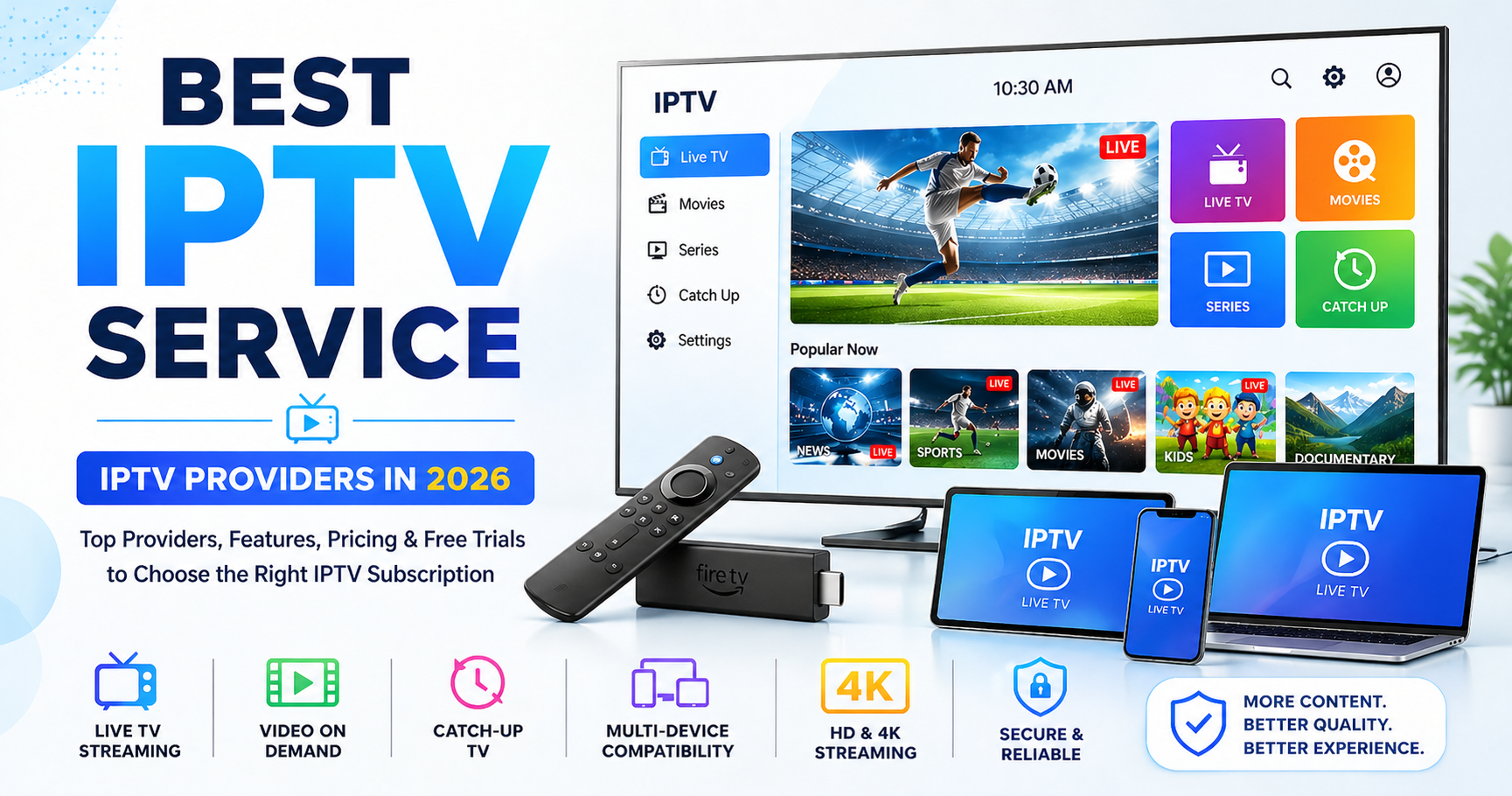
The image below illustrates the setup process for a popular IPTV service, highlighting the various devices compatible with it.

Phase 2: Adjustments and What Started Working
Related Reading: Dice Dream Free Rolls vs The Alternatives — Which Is Right for You
As we continued to use the service, we began to make adjustments that significantly enhanced our experience. Switching to wired connections for certain devices helped reduce buffering considerably. Additionally, exploring various streaming quality settings provided a tailored viewing experience without compromising speed.
Engaging with customer service was another positive aspect; timely responses helped to resolve initial concerns, and users reported a spike in satisfaction with ongoing assistance.
Phase 3: Consolidated Results and Surprises
After a month of consistent use, the service revealed several surprises. Users reported that the range of international channels exceeded expectations, with many finding content that caters to niche interests, from foreign series to specialized sports programming. The overall stability of the service improved dramatically after initial tinkering, with the buffering issue becoming a minor concern rather than a consistent problem.
Furthermore, the added feature of catch-up TV became a highlight for many users, as it offered the flexibility to watch missed episodes whenever convenient.
What Worked Well: Specific Details
Related Reading: IPTV Service Compared: Which Option Should You Choose?
Several aspects of the IPTV service stood out during the evaluation:
- The extensive library of channels, particularly for international viewers, offering options like Spanish, Hindi, and Arabic programming.
- A highly responsive customer support system that dramatically improved user experience.
- The affordability of the service, especially when compared to alternatives like cable TV.
What Did Not Work: Honest Observations
Despite a mostly positive experience, a few drawbacks were noted:
- Occasional downtime which disrupted live events, particularly during peak viewing hours.
- The requirement for a high-speed internet connection, which wasn’t a problem for many, but limited users with slower connections.
Before and After Observations
Related Reading: Best IPTV Subscription Issues and How to Resolve Them
| Observation | Before Using IPTV | After Using IPTV |
|---|---|---|
| Content Variety | Limited options | Extensive international channels |
| Usability | Complex setup | User-friendly interface |
| Viewing Flexibility | Scheduled programming | Catch-up TV available |
Tips to Replicate the Good Results
- Ensure a stable, high-speed internet connection to minimize buffering.
- Utilize wired connections for devices when possible to enhance speed and stability.
- Explore various application compatibility and settings to personalize your viewing experience.
- Engage with customer support for troubleshooting and to clarify any service features.
Frequently Asked Questions
This article contains affiliate links. Our editorial analysis remains independent.